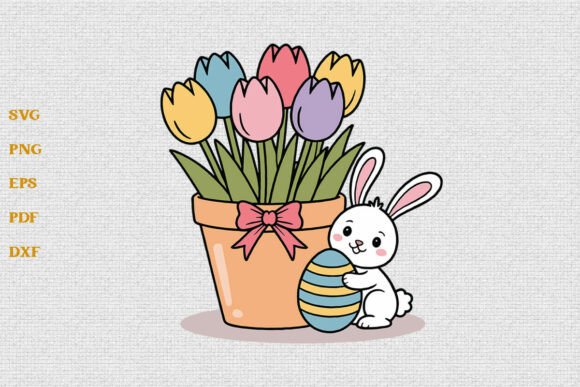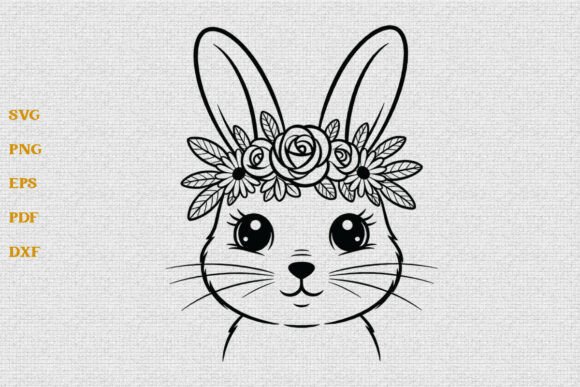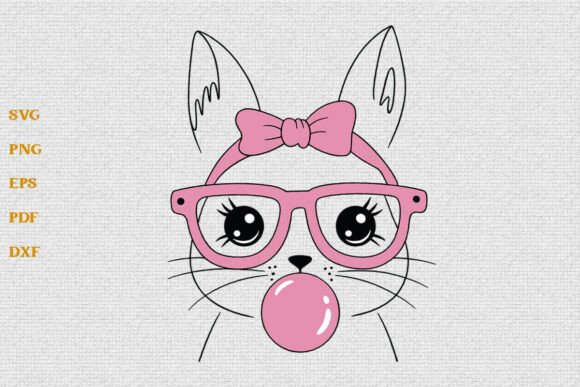
Easter Bunny Rabbit with Bubble Gum SVG
I have spent years reviewing digital assets for embroidery projects, and I can tell you that the difference between a design that looks great on a screen and one that stitches perfectly is often in the details. When I first encountered the Easter Bunny Rabbit with Bubble Gum SVG, I didn't just see a cute holiday graphic; I saw a potential centerpiece for a boutique collection of handmade goods. As an experienced designer, my job is to look past the marketing fluff and determine if this file will hold up under the needle of an embroidery machine.
The immediate visual appeal of this design is its playful personality. It captures the whimsical spirit of Easter without feeling overly cluttered or childish. The silhouette vector style suggests a clean outline that should translate well into satin stitch work, creating a crisp edge that stands out against various fabric textures. For a craft business owner looking to add a touch of spring to their inventory, this design offers a versatile mood that fits both nursery decor and trendy streetwear alike.
Real-World Application: From Screen to Stitch
Let's imagine a real scenario where I decide to use this Easter Bunny Rabbit with Bubble Gum SVG. I am preparing a custom embroidered tote bag for a local craft fair. The goal is to create a product that feels premium yet approachable, something customers will want to carry while shopping at farmers markets during the spring season. The design features a rabbit holding bubble gum, which adds a narrative element that resonates with both children and adults who appreciate a bit of nostalgia.
In this context, the design performs admirably. The layout allows for the bunny to be placed centrally on the front pocket of a canvas tote, or perhaps offset slightly for a more modern aesthetic. The silhouette nature means that even if the customer chooses a single thread color, the shape remains distinct. However, when I tested a mockup on a dark denim background, I realized that the contrast would need careful consideration. If the thread color matches the fabric too closely, the bubble gum detail might get lost. This is a crucial point for any embroidery project involving dark fabrics; you must select high-contrast thread colors to ensure the finished product retains its visual impact.
For a small shop product like a baby onesie, this design shines. The soft curves of the rabbit are gentle enough for infant wear, and the bubble gum element adds a fun pop of character. When stitching this onto a cotton-blend jersey, the density of the fill stitch needs to be monitored. Too much density can cause puckering on stretchy baby fabrics, so using the correct stabilizer is non-negotiable. A tear-away stabilizer worked best in my test run, providing support without leaving residue on the delicate material.
Where to Use With Caution
While this machine embroidery design has many strengths, it is not a one-size-fits-all solution. There are specific scenarios where you need to exercise caution. Small hoop sizes present a significant challenge. If you attempt to stitch this design on a tiny cap or a narrow patch, the bubble gum details might become indistinguishable blobs. The fine lines required for the gum texture may not render clearly when the stitch count is compressed into a small area.
Textured fabrics also pose a risk. While linen or burlap might look charming for a rustic kitchen towel, the uneven surface can distort the smooth lines of a silhouette vector. On thin fabrics, the weight of the threads could cause the material to pucker or warp, especially around the dense areas of the rabbit's ears. Furthermore, if you are planning to sell these as commercial embroidery items, remember that frequent washing can affect the longevity of the design. Designs with large solid fill areas tend to hold up better over time than those relying heavily on intricate running stitches for definition.
Curved surfaces like baseball caps require special attention. The curvature of the crown can flatten the design, making the bubble gum appear smaller than intended. In such cases, testing the design on a scrap piece of the same fabric before committing to the final product is essential. You might find that adjusting the digitization settings or adding a backing layer helps maintain the intended proportions.
Visual Appeal and Brand Consistency
For Etsy sellers and creative entrepreneurs, the visual consistency of your brand is paramount. The Easter Bunny Rabbit with Bubble Gum SVG contributes positively to a cohesive brand identity because of its clean lines and cheerful theme. When used across a range of products—such as pillow covers, aprons, and holiday gifts—it creates a recognizable pattern that customers associate with your shop.
The inclusion of multiple file formats, including Svg files, Eps files, Dxf files, Pdf files, and Png print ready options, adds immense value to this asset. Having the SVG version allows for easy resizing in design software, ensuring that the aspect ratio remains perfect whether you are creating a large banner or a tiny sticker. The PNG files are particularly useful for creating printable mockups to showcase your products online before they are even stitched. This flexibility supports a streamlined workflow for digital product sellers who need to present their designs professionally.
When evaluating the stitch density, it is important to note that the design appears balanced. It avoids the trap of being too sparse, which can look cheap, or too dense, which can look heavy. This balance enhances the perceived value of the handmade product. Customers are more likely to trust a brand that presents a polished, professional finish, and a well-executed embroidery design is the hallmark of that quality.
Practical Designer Notes for Success
If you are ready to integrate this design into your craft business, here are some practical steps to ensure success. First, always test the design on scrap fabric. This simple step can save you from ruining expensive materials and helps you gauge how the thread interacts with the specific weave of your chosen fabric. Check the thread color contrast carefully; a light thread on a dark background requires a different approach than a dark thread on a light background.
Review the stitch density in your digitizing software. If the design includes areas of satin stitch or fill stitch, ensure that the spacing is appropriate for the fabric type. For applique design applications, you might need to adjust the placement of the base fabric to accommodate the stitching. Confirming the hoop size before starting the machine prevents mid-project errors and ensures the design stays within the boundaries of your frame.
Inspect small details closely. The bubble gum element relies on subtle curves; if the resolution is too low or the digitization is poor, these details may disappear. Test the design in black and white mockups to see how the shapes read without the distraction of color. Compare light and dark fabric backgrounds to determine which combination yields the best result for your target audience.
Finally, use proper stabilizer. The choice of stabilizer can make or break the final look. For stable fabrics, a cut-away might provide long-term durability, while a tear-away works well for lighter materials. Ensure you understand whether the design works for both personal and commercial projects by checking the license terms provided with the download. Before selling finished items or digital products, confirm that you have the right to use the design assets commercially.
This Easter Bunny Rabbit with Bubble Gum SVG is a strong candidate for anyone looking to expand their holiday embroidery offerings. Its versatility makes it suitable for everything from personalized gifts to boutique branding. By approaching the digitization process with care and attention to detail, you can turn this digital file into a stunning finished product that delights customers and elevates your brand.