Floral Feather Vector Art: A Designer's Real-World Review
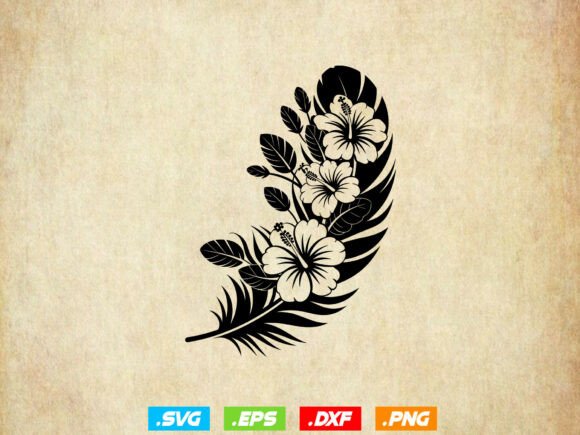
When I first opened the Floral Feather Vector Art, Floral Feather file, I didn't just see a graphic; I saw a mood. There is something inherently romantic and free-spirited about combining the organic flow of feathers with the delicate structure of flowers. As an experienced designer who spends hours converting digital assets into tangible stitches, my initial reaction was one of cautious optimism. The description promises boho inspirations, and visually, it delivers that earthy, handcrafted aesthetic perfectly. But does it hold up when the needle hits the fabric? That is the question every serious embroiderer asks before committing to a client project.
First Impressions and Design Personality
The layout of Floral Feather Vector Art, Floral Feather feels balanced without being rigid. It captures that effortless "boho" vibe that has been dominating the handmade market for years. The dainty floral elements strewn across the feather shafts suggest a design that relies on fine detail rather than heavy block fills. This is crucial because it dictates how the design will translate from screen to thread. In the digital realm, the lines are crisp and the negative space allows the eye to rest. However, in the physical world of embroidery, those same details can become a nightmare if not executed with precision.
I immediately envisioned this piece fitting naturally into specific niches. It screams "nursery decor," "bridal accessories," or "boutique branding." It lacks the aggressive edge needed for streetwear but possesses the soft elegance required for gift items. The visual personality is gentle, inviting, and distinctly feminine, making it an ideal candidate for products where emotional connection drives the sale. Whether you are an Etsy seller looking to expand your catalog or a small business owner creating custom merchandise, this design offers a versatile foundation for high-end presentation.
Real-World Application: From Screen to Stitch
To truly understand the potential of this design, I ran a mental simulation based on a recent client request. Imagine preparing a custom embroidered tote bag for a local flower shop. They wanted something unique to hang behind their counter, something that felt artisanal. Floral Feather Vector Art, Floral Feather would be the perfect centerpiece here. The flowing nature of the feather would complement the curves of a tote bag handle, while the floral accents could tie in with the shop's branding colors.
However, the application changes depending on the product. If we shift gears to a sweatshirt, the design might need slight scaling adjustments. On a larger canvas like a blanket or a pillow cover, the intricate floral details would shine, allowing for a richer color palette. For baby clothes, the softness of the theme is a major selling point. Parents gravitate toward designs that look tender and safe, and this vector art delivers exactly that. Even as a patch for a denim jacket, the shape suggests a distinct character that stands out against rougher textures.
In the context of commercial embroidery, this design elevates the perceived value of the finished product. Customers are willing to pay more for items that look bespoke. A simple logo is functional, but a detailed motif like Floral Feather Vector Art, Floral Feather adds a layer of luxury. It transforms a standard apron or kitchen towel into a thoughtful, personalized gift. The design acts as a conversation starter, which is invaluable for craft fair products or boutique items where standing out is essential.
Where to Exercise Caution
Despite its beauty, no design is universally perfect. There are specific scenarios where Floral Feather Vector Art, Floral Feather requires careful consideration. One of the primary concerns is the stitch density. If the floral elements are too dense, they can create a stiff, cardboard-like feel on thin fabrics like cotton voile or silk. This stiffness can ruin the drape of a garment or make a baby item uncomfortable against sensitive skin.
Small hoop sizes present another challenge. If you attempt to stitch this design on a tiny cap brim or a miniature patch, the finer details of the flowers may get lost or merge together. Satin stitch edges might become jagged if the machine cannot resolve the sharp curves of the feather tips. Furthermore, dark fabrics require a different approach. Without proper underlay or high-density fill, the lighter floral colors might get swallowed by the background, reducing the contrast and clarity of the final image.
Stretchy fabrics also demand attention. Feathers and flowers often have curved lines that can distort on knits if the stabilizer isn't robust enough. If you are working on a stretchy t-shirt or a fitted onesie, you must ensure the design is stabilized correctly to prevent puckering. Additionally, for products that undergo frequent washing, such as kitchen towels or work aprons, the durability of the stitching becomes paramount. Loose threads on the delicate floral parts could snag easily, so reviewing the stitch direction and securing the ends properly is non-negotiable.
Designer Notes for Professional Results
Before you upload this to your machine, there are several practical steps to ensure success. First and foremost, always test the design on scrap fabric. This is the golden rule of embroidery. You need to verify how the thread colors interact with your specific fabric choice. Does the floral pattern pop against the background, or does it blend in too much? Testing helps you adjust the tension and choose the right thread weight.
Review the stitch density carefully. If the design looks too crowded, consider simplifying the fill areas or adjusting the angle of the stitches to improve texture. Confirm your hoop size matches the design dimensions; forcing a large design into a small hoop can lead to misalignment. Inspect the small details closely, particularly the tips of the feathers and the centers of the flowers, to ensure they will render clearly. It is also wise to test the design in black and white mockups to check the contrast balance before investing in colored threads.
Don't forget the technical side of your workflow. Use the proper stabilizer for your fabric type—cut-away for stability on knits or tear-away for wovens. Check whether the design works for both personal and commercial projects by verifying the license terms. Many designers sell these files with restrictions on how many finished items you can produce for sale. Confirming these details protects your reputation and ensures you remain compliant with copyright laws.
Final Thoughts on Value and Appeal
Floral Feather Vector Art, Floral Feather is more than just a pretty picture; it is a strategic asset for any creative entrepreneur. When executed well, it enhances brand consistency and builds customer trust. Buyers appreciate the effort put into a high-quality design, and this vector art provides the complexity needed to justify a premium price point. Whether you are creating holiday gifts, wedding favors, or everyday apparel, this design brings a touch of sophistication that resonates with modern tastes.
Ultimately, the success of your project depends on your skill in translating the digital vision into a physical reality. By understanding the strengths and limitations of the design, you can avoid common pitfalls and deliver a finished product that exceeds expectations. For those in the crafts and graphics sectors, this file offers a solid opportunity to create memorable, handmade products that tell a story. With the right preparation and attention to detail, Floral Feather Vector Art, Floral Feather can become a staple in your portfolio, driving engagement and sales for your craft business.