Geometric Floral Art Border Laser Cut Review
As a designer who spends more time in the hoop than behind a desk, I am constantly on the lookout for digital assets that bridge the gap between modern aesthetics and traditional stitching. When I first encountered the Geometric Floral Art Border Laser Cut, my initial reaction wasn't just about the visual appeal; it was about its potential utility in a real-world production environment. This isn't merely a collection of pretty shapes; it is a functional design asset that demands to be tested against the rigors of machine embroidery.
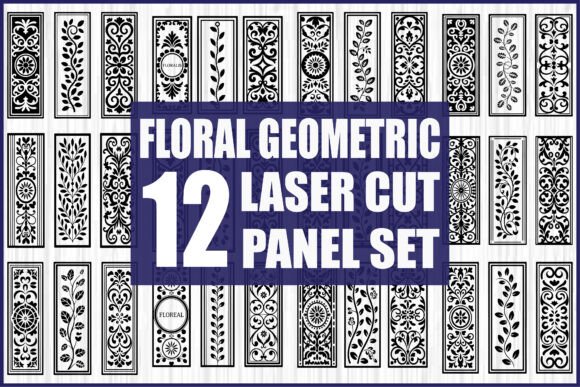
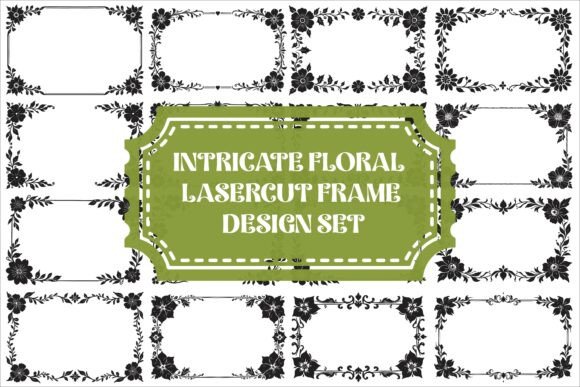
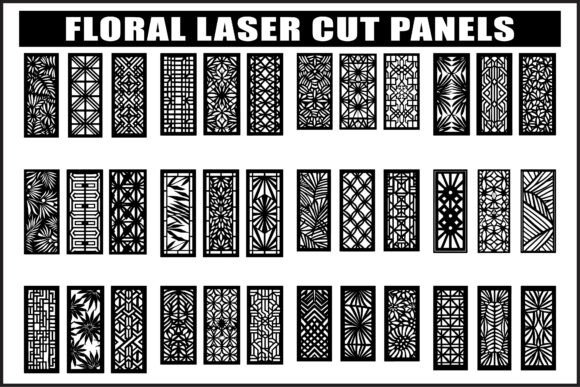
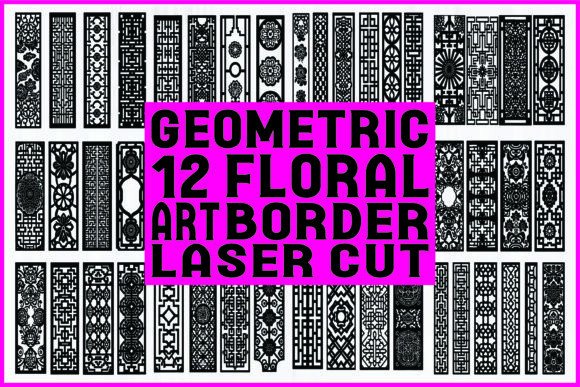
The product description highlights a set of 12 patterns designed for laser cutting and CNC work, which immediately raises an interesting question: how does this translate to textile art? In my experience, designs labeled for "laser cut" often possess a structural integrity that works exceptionally well when digitized for thread. The geometric foundation suggests precision, while the floral elements introduce the organic flow necessary for high-end handmade products. If you are an Etsy seller or a boutique owner looking to elevate your inventory, understanding the nuance of this embroidery file is crucial before you commit to a full production run.
From Digital Preview to Finished Product
Imagine you are preparing a custom order for a client who wants a sophisticated baby blanket with a subtle, modern border. You need something that doesn't scream "craft store" but rather whispers "boutique quality." This is where the Geometric Floral Art Border Laser Cut shines. The layout is inherently linear, making it perfect for framing a project. Unlike a central medallion that requires a massive hoop, a border design allows you to work efficiently on standard hoops without excessive trimming.
I recently ran a simulation of this design on a mockup for a premium tote bag. The geometric lines promise crisp edges, provided the stitch density is managed correctly. However, the transition from a vector graphic intended for a laser cutter to a satin stitch path requires careful consideration. The floral details within the geometric frame add texture, but they must not become so dense that they distort the fabric. For a small business owner, the value here lies in the versatility. These designs can serve as the backbone for a cohesive brand identity across multiple product lines, from kitchen towels to wall hangings.
Real-World Application in Custom Apparel
When evaluating any machine embroidery design, the context of the garment is paramount. I have found that the Geometric Floral Art Border Laser Cut performs best on structured fabrics like canvas, denim, or heavy cotton blends. These materials provide the necessary stability to support the intricate nature of the pattern. If you are designing for sweatshirts or hoodies, this border concept works beautifully along the hemline or down the sleeves, adding a touch of architectural elegance to casual wear.
However, caution is required when applying this to stretchy knits or thin, delicate fabrics. The geometric precision relies on the fabric holding its shape under tension. On a stretchy jersey t-shirt, the rigid lines might warp, losing the intended aesthetic. Similarly, if you are creating embroidered patches, the clean lines of this design offer excellent definition, but you must ensure the backing stabilizer is robust enough to prevent puckering during the washing process.
For holiday gifts or personalized items, the 12-pattern variety offers significant creative freedom. You could mix and match different sections to create unique seasonal borders. A winter-themed project might utilize a tighter geometric section, while a spring collection could lean into the more open floral motifs. This flexibility is a key selling point for designers who need to adapt quickly to market trends without purchasing entirely new assets.
Navigating Technical Challenges
Every professional knows that the devil is in the details. While the Geometric Floral Art Border Laser Cut looks stunning in a digital preview, the physical execution depends heavily on your setup. One of the most critical factors is the stitch density. Since these designs originated for laser cutting, the paths may be optimized for cutting rather than sewing. Before committing to a commercial run, I strongly advise testing the design on scrap fabric to check the satin stitch coverage. If the stitches are too close together, they will merge and lose their definition; if they are too far apart, the underlying fabric will show through, ruining the clean look.
Another area requiring attention is the hoop size. Borders often require long, continuous runs. Ensure your machine's hoop can accommodate the length of the design without needing to jump to a new position, which can lead to registration errors. If the design is too long for a single hoop, you will need to plan your stitching sequence carefully to maintain alignment.
Fabric texture also plays a pivotal role. On a smooth, tightly woven fabric, the geometric lines will appear sharp and professional. On a textured linen or a fuzzy fleece, the fine details of the floral elements might get lost in the nap of the material. For these applications, using a proper stabilizer is non-negotiable. It acts as the foundation that keeps the design flat and true to its original form.
Strategic Considerations for Craft Businesses
For those of you running a craft business or selling on platforms like Etsy, the visual impact of your finished product directly correlates to customer trust and perceived value. A well-executed border design like the Geometric Floral Art Border Laser Cut elevates a simple item into a luxury good. It signals to the buyer that attention was paid to every aspect of the creation process.
When creating printable mockups or digital previews for your shop, consider how the design interacts with different background colors. Testing the design in black and white first can help you visualize the contrast and structure without the distraction of color. This is particularly important for thread colors; a dark thread on a light fabric might look different than a light thread on a dark fabric due to the way the light hits the satin stitches. Always compare light and dark fabric backgrounds before finalizing your product listings.
Licensing is another vital component that cannot be overlooked. Since this product falls under the categories of Crafts and Graphics, you must verify the terms of use regarding commercial projects. Can you sell the finished items? Can you modify the design for specific clients? Confirming these details ensures that your commercial embroidery operations remain compliant and profitable.
Final Thoughts on Design Integrity
In conclusion, the Geometric Floral Art Border Laser Cut represents a strong addition to any designer's toolkit, offering a blend of modern geometry and classic florality. Its success, however, hinges on the maker's ability to adapt the digital file to the physical constraints of embroidery. By testing thoroughly, selecting the right fabrics, and respecting the technical limitations of your machine, you can transform this digital asset into a stunning handmade product.
Whether you are creating a personalized gift for a loved one or building a line of boutique merchandise, this design provides the structural framework needed to achieve a professional finish. Remember, the goal is not just to stitch a pattern, but to craft an experience. With the right approach, the Geometric Floral Art Border Laser Cut can become a signature element of your brand, recognized for its clarity, elegance, and timeless appeal.