Mandala Flower Line Art: A Designer's Review
As someone who has spent years stitching, designing, and reviewing embroidery files for both personal hobby projects and commercial boutique lines, I know that the difference between a design that sells and one that gathers dust often comes down to line quality. Today, I am putting Mandala Flower Line Art through its paces. This isn't just another decorative graphic; it is a specific type of digital asset that promises a minimalist, continuous flow. But does it hold up when transferred from a screen to a needle? After running some test stitches on various fabrics, here is my honest assessment of how this piece performs in real-world scenarios.
The First Impression: Mood and Visual Personality
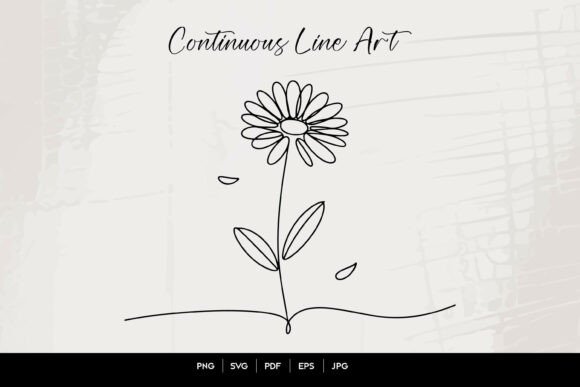
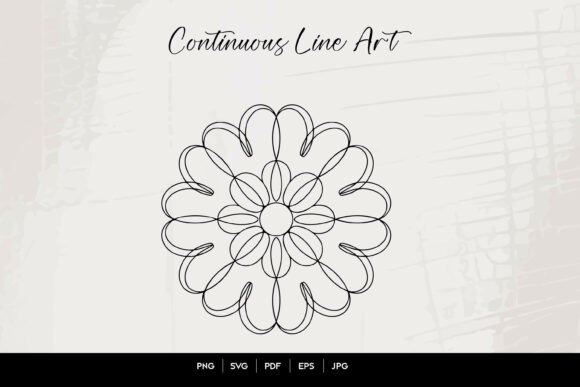
When you first open the folder containing Mandala Flower Line Art, the immediate feeling is one of calm sophistication. The design relies heavily on negative space, which is a bold choice for embroidery. Unlike dense floral arrangements that scream for attention with heavy fill stitches, this piece whispers elegance. It creates a mood that is serene, artistic, and undeniably modern. The continuous line concept suggests fluidity, making it perfect for projects where you want the eye to travel smoothly across the fabric without getting lost in clutter.
For designers looking to add a touch of bohemian chic or spiritual minimalism to their work, this file hits the mark. It feels like something that belongs on a high-end yoga studio towel, a boutique nursery wall hanging, or a carefully curated gift box. The lack of internal shading means the entire visual weight rests on the outline itself, which demands precision in digitizing if you are converting it for machine use.
Real-World Application: From Screen to Stitch
I recently decided to test Mandala Flower Line Art on a custom project for a local client who wanted a personalized tote bag for her wedding guests. She requested something subtle but meaningful. The continuous nature of the mandala was ideal for this application. When stitched onto a canvas tote using a fine thread, the design looked incredibly crisp. Because the lines are thin, it did not overwhelm the texture of the bag. Instead, it added a layer of professional polish that elevated the product from a simple gift to a keepsake.
This same versatility extends to apparel. Imagine this design embroidered on the chest of a sweatshirt or the pocket of an apron. The clean lines allow the fabric to breathe, preventing the garment from becoming stiff or heavy around the design area. For baby items, such as a onesie or a blanket, the soft, flowing curves are gentle and safe-looking, avoiding the harshness of sharp angles or overly complex details that might snag. Even for holiday embroidery, like a Christmas tree ornament or a pillow cover, this design offers a timeless aesthetic that fits any season without feeling dated.
For Etsy sellers and small shop owners, the appeal lies in its adaptability. You can create a cohesive brand identity by using this single motif across different products—patches, caps, kitchen towels, and digital mockups. The consistency helps build customer trust because every item looks professionally executed. When buyers see a clean, well-executed line art design, they perceive higher value in the finished product, which can justify a premium price point.
Where Caution is Required
While the design is beautiful, it is not without its challenges. The very simplicity that makes Mandala Flower Line Art elegant also exposes flaws easily. If you attempt to stitch this on a textured fabric like bouclé or a very thick denim, the lines may get lost in the weave. Similarly, on stretchy knits, maintaining the circular integrity of the mandala requires a strong stabilizer and careful hooping to prevent distortion.
I would advise against using this design for very small hoop sizes unless you have verified the minimum detail size. Tiny corners in a continuous line drawing can sometimes merge together during the stitching process if the stitch density is too high or the thread is too thick. On dark fabrics, you must select a thread color that provides sufficient contrast; otherwise, the delicate outline will vanish into the background. Additionally, for products that require frequent washing, such as aprons or everyday tote bags, ensure the design is properly secured with appropriate underlay stitches to prevent puckering over time.
Technical Considerations for the Embroidery Designer
If you are planning to use this file for commercial embroidery or to sell handmade products, there are several technical steps you must take before hitting the "start" button on your machine. First and foremost, always test the design on scrap fabric that matches your final material. This allows you to check thread color contrast and observe how the satin stitch behaves along the curved lines.
You should review the stitch density carefully. Since this is a line art design, it likely relies on running stitches or narrow satin stitches. If the density is too low, the fabric might show through. If it is too high, the lines could become bulky and lose their graceful appearance. Confirming the correct hoop size is also critical; a design that looks perfect on a 4x4 hoop might need resizing or re-digitizing for a larger 5x7 frame to maintain proportion.
Don't forget to inspect the small details. Sometimes, when converting vector files like SVG, EPS, or PDF into machine-readable formats, tiny gaps can appear in the continuous line. These gaps can cause thread breaks or unsightly jumps during stitching. Use proper stabilizer to support the fabric, especially if you are working with lightweight materials like cotton lawn or silk. Finally, verify whether the design works for both personal and commercial projects by checking the licensing terms provided with the download.
Final Thoughts on Value and Versatility
In conclusion, Mandala Flower Line Art is a valuable addition to any designer's library, particularly for those focusing on minimalist aesthetics, wellness brands, or high-end personalized gifts. Its ability to transition seamlessly from a digital preview to a tangible, stitched masterpiece makes it a strong candidate for craft business expansion. Whether you are creating an embroidered patch for a jacket, a custom cap for a team, or a heartfelt holiday gift, this design offers a level of refinement that resonates with modern buyers.
However, success depends on execution. By testing on scrap fabric, choosing the right thread colors, and paying close attention to stitch density and stabilization, you can ensure that the final product meets the high standards your customers expect. For makers and entrepreneurs looking to elevate their handmade product line, this file is a practical, stylish tool that delivers professional results when handled with care.